Why Switch to LED Lighting: A Complete Guide
February 18, 2026 · 5 min read
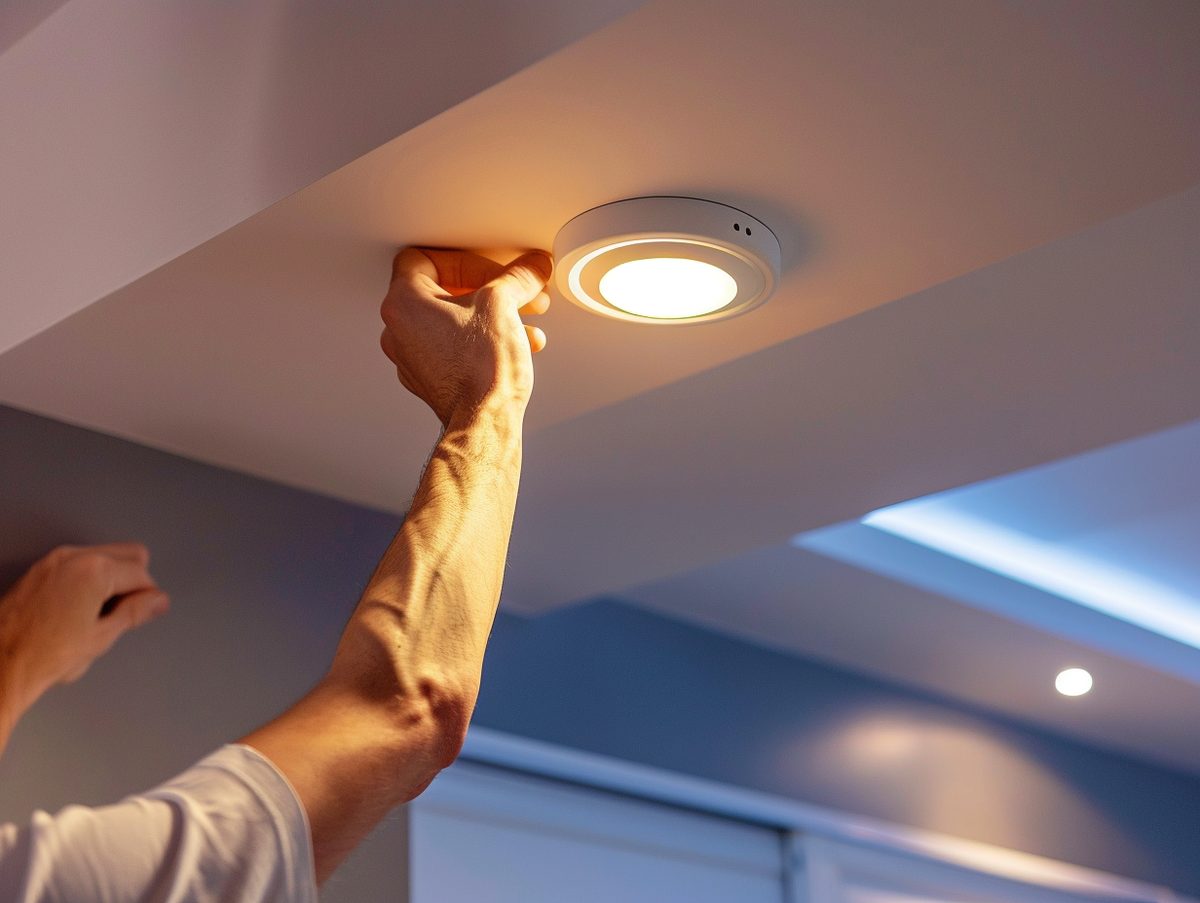
Lighting accounts for roughly 15% of a typical home's electricity bill. Switching to LED technology is one of the simplest upgrades you can make — and the savings start from day one.
How LEDs Work Differently
Incandescent bulbs produce light by heating a filament until it glows, wasting 90% of energy as heat. LEDs pass current through a semiconductor, producing light with minimal heat and maximum efficiency.
Understanding Lumens vs. Watts
Forget watts — they measure energy consumption, not brightness. Look for lumens instead. A 10-watt LED produces the same 800 lumens as a 60-watt incandescent.
Colour Temperature Explained
LEDs come in warm white (2700K, cozy), neutral white (4000K, balanced), and daylight (5000K+, energizing). Choose warm for living rooms, neutral for kitchens, and daylight for workshops.
Where to Start
Begin with your most-used fixtures — kitchen downlights, living room lamps, and hallway pendants. These high-usage spots deliver the fastest return on investment.
Dimmer Compatibility
Not all LED bulbs work with old dimmer switches. Look for bulbs labeled 'dimmable' and consider upgrading to LED-compatible dimmers to avoid flickering.
Smart LED Options
Smart LED bulbs let you adjust colour, brightness, and scheduling from your phone. They cost more upfront but offer convenience and further energy savings through automation.
The Bottom Line
A full LED conversion for a typical home costs less than a single month's electricity savings over the bulbs' lifetime. It's one of the highest-return home improvements you can make.